Balcony and Small-Space Gardening: Growing Food in Pots and Grow Bags
You do not need a garden to grow something worth eating. A balcony, a courtyard corner, even a sunny window ledge can produce herbs, salad leaves and a decent crop of tomatoes. The trick is choosing plants and pots that suit the space you actually have, rather than the space you wish you had. Get those two things right and small-space growing becomes surprisingly forgiving.
Start With Honest Measurements
Before you buy anything, spend ten minutes working out what you are dealing with. How much direct sunlight does the spot get in midsummer? South-facing ledges can manage six hours or more; north-facing corners may get two at best. How much weight can the surface take? Wet compost is heavy, and a row of large pots adds up quickly, so keep big containers close to walls or load-bearing edges rather than dangling them off a railing.
Then measure the width. A balcony 90cm deep will happily take a row of pots and a grow bag; one 60cm deep needs narrower troughs and a bit of discipline about how many you squeeze in.
Choose Crops That Earn Their Space
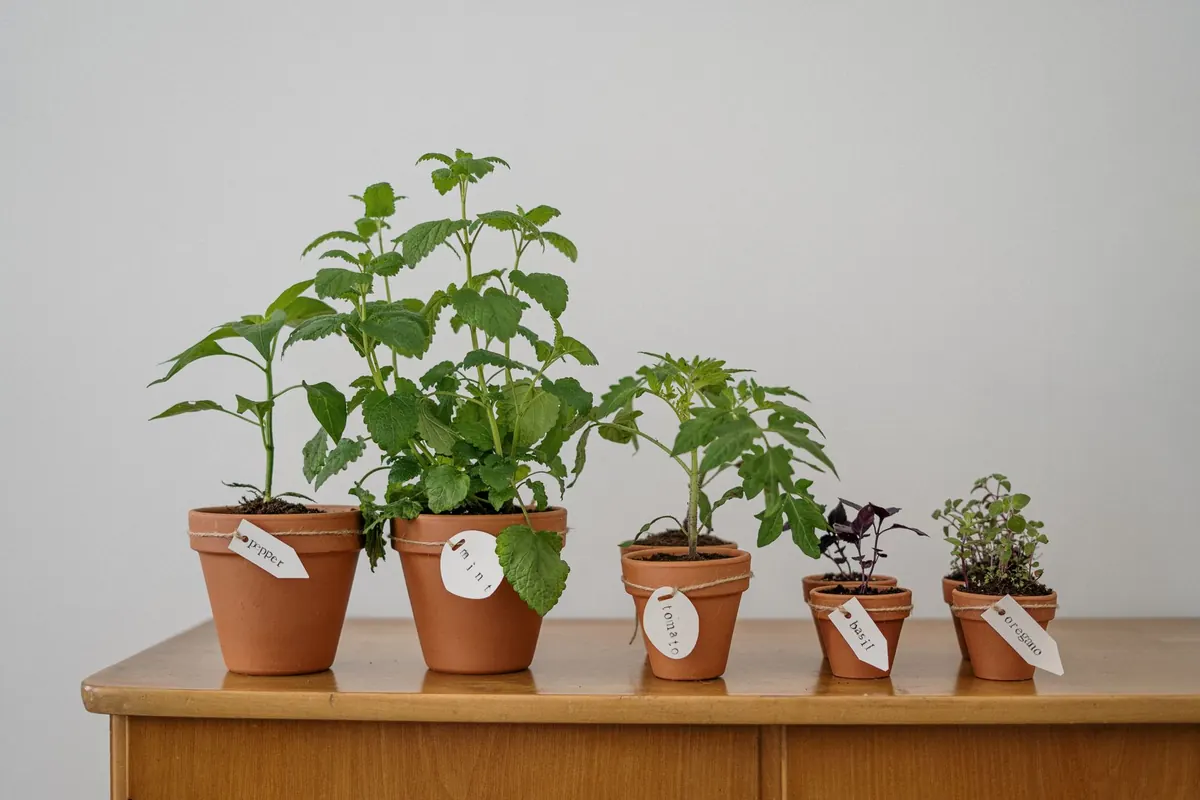
The best small-space crops are either expensive to buy, quick to grow, or productive over a long season. Lettuce, rocket and other cut-and-come-again leaves are ready in a few weeks and keep producing if you harvest the outer leaves. Herbs such as basil, parsley, mint and chives cost very little to grow and you can pick exactly what you need. Radishes, spring onions and beetroot are quick and neat. Tomatoes, chillies, peppers and strawberries need more sun and attention, but the flavour difference is real.
Think about depth as well as width. Salad leaves and herbs manage in 15cm of compost. Tomatoes, peppers, courgettes and carrots want 25–30cm or more. Here is a rough starting order for a beginner balcony:
- Easy and fast: rocket, loose-leaf lettuce, radishes, spring onions, mint, chives.
- Needs sun but worth it: bush tomatoes, chillies, basil, strawberries.
- Slower but rewarding: peppers, dwarf French beans, beetroot, kale.
- Probably best skipped: sweetcorn, maincrop potatoes, sprouts and anything that needs a metre of root run.
Pick Containers That Suit the Job
Terracotta looks lovely and dries out fast, which suits rosemary and thyme but punishes lettuce. Plastic pots hold moisture better and are lighter. Glazed ceramic and wooden planters sit somewhere in between and often look better on a balcony. Fabric grow bags are excellent for tomatoes and potatoes because air reaches the roots and drainage is hard to get wrong.
Whatever you choose, drainage holes are non-negotiable. A pot without them becomes a swamp after heavy rain and roots rot within days. Raise containers on pot feet or bricks so water can escape and air can move underneath.
Size matters more than style
One generous pot beats three cramped ones. A single tomato in a 30-litre container will out-crop three tomatoes stuffed into small pots. If space is tight, grow fewer plants properly rather than many badly.
Compost, Feeding and Watering
Use a peat-free multi-purpose compost as your base. For Mediterranean herbs such as thyme, oregano and rosemary, mix in extra grit or perlite so water drains freely. Most composts feed a plant for around four to six weeks. After that, tomatoes, peppers and courgettes benefit from a liquid feed every week or two once they start flowering. Herbs generally prefer a lighter touch; too much feeding gives you leafy, bland growth.
Watering is where most small-space crops succeed or fail. Containers dry out far faster than garden soil, especially in wind and on hot paving. In summer you may need to water daily, sometimes twice on a scorching day. Water in the morning if you can, and check by pushing a finger into the compost rather than judging by the surface, which can look damp while the roots below are dry.
If you go away for a weekend in July, move pots into shade and group them together. Grouped pots shade each other and lose less moisture.
Sowing and Planting Out
Sow salad leaves little and often rather than all at once. A small tray or pot sown every fortnight gives you a steady supply instead of a glut followed by nothing. Thin seedlings ruthlessly; crowded plants stay weak and bolt early.
- Fill your container with compost, leaving a 2cm gap below the rim for watering.
- Water the compost before sowing so seeds settle into damp soil rather than being washed away.
- Sow thinly, cover lightly, and label with the variety and date.
- Keep the surface moist until seedlings appear, then water less often but more thoroughly.
- Feed and support taller crops as they grow, and turn pots regularly so plants grow evenly towards the light.
If starting from seed feels slow, buy young plants of tomatoes, chillies and basil in late spring. It shortens the season and lets you concentrate on keeping them alive.
Small Problems, Quick Fixes
Wind is the quiet enemy on balconies. It dries compost, snaps stems and shreds leaves. A piece of netting or a slatted screen fixed to a railing cuts the worst of it without blocking light. Yellowing leaves usually mean hungry plants or waterlogged roots; check drainage first, then feed. Aphids can be knocked off with a firm spray of water, and slugs hide under pots, so lift them occasionally and check.
On tomatoes, brown patches at the base of the fruit usually point to uneven watering rather than disease. Keep moisture consistent and remove affected fruit. If you are growing on a rented balcony or in a shared courtyard, check your tenancy agreement before fixing anything to walls or railings, and take professional advice if you are unsure what is permitted.
Your First Weekend Plan
Pick the sunniest spot you have, buy one bag of peat-free multi-purpose compost and two or three pots with proper drainage holes. Sow a pot of cut-and-come-again salad, plant a bush tomato or a chilli if the light is good, and put in a herb you actually cook with. Water, wait, and note what works. Next season you will know exactly which corner of your balcony earns its keep, and the one after that you will be swapping seedlings with the neighbours.
Photo: cottonbro studio / Pexels
You Might Also Like
A practical checklist for organising a neighbourhood cutting and seed swap, covering format, venue, plant health rules, labelling, how to run the day, and the follow-up that keeps people coming back.
A step-by-step guide to bringing outdoor plants inside before the first frost, cutting back on water and feed, and keeping tender species healthy through a UK winter.