Creating a Plant Swap in Your Local Community: A Practical Checklist
A seed swap rarely fails because people don't want the seeds. It fails because nobody wrote down what the seeds were, the hall had no tables, and the tray of tomato seedlings spent forty minutes in full sun. The goodwill is easy to gather. The organisation is what turns a friendly scrum into an event your neighbours ask you to repeat.
What follows is a working checklist for a local cutting and seed swap, whether you're hosting eight people in a back garden or sixty in a village hall. Work through it in order and most of the fiddly decisions will be made before the day arrives.
1. Decide what kind of swap you're running
The format shapes everything else: the venue, the labels, the table layout, the rules you'll need to explain. Three work well.
- Seeds and cuttings only. The lightest to carry and the easiest to label. Ideal for a first event, and it works in a small room.
- Whole plants and divisions. More generous and more exciting, but it needs bigger tables, a car park, and a plan for plants that nobody takes home.
- Mixed. Fine, as long as you zone the room — herbs here, houseplants there, seeds by the door — so people can find what they came for.
Then decide how the swapping itself works. A straight bring-and-take is simplest and suits small groups. If you expect a crowd, try tokens: one per item brought, capped at ten, spent at the tables. It stops the person who turned up with two trays of cosmos from clearing the whole table in four minutes while everyone else watches.
On timing, most swaps land in two windows. Early spring for seedlings, seeds and divisions before the growing season starts, or late summer and early autumn for cuttings, seed saving and splitting overcrowded perennials.
2. Venue, date and the unglamorous logistics
A village hall, a church room, a community centre, an allotment hut, or simply a garden with shade and space. What matters is the practical detail: waist-height tables rather than floors, a water supply, somewhere to sit, toilets, and parking that doesn't upset the neighbours. If you're outdoors, sort out shade. A cutting will survive a lot, but not an afternoon of direct sun in a plastic bag.
Tea and cake cover the room hire and give people a reason to linger, which is where the actual conversations happen. Keep a simple sign-in sheet — names, contact details, and what they brought. That sheet becomes your mailing list for next time.
If you're hiring a space or collecting money towards costs, check what insurance the venue already provides and whether you need your own cover for the event. Community groups, village halls and your local council can usually point you in the right direction, and it's worth asking well before the date rather than the week of.
3. Plant health rules, agreed in advance
This is the part people skip, and it's the part that matters. Pests, diseases and weed seeds travel happily on plants, in soil, and on reused pots. Set the rules in advance, publish them in the invitation, and repeat them in the first five minutes of the swap.
- No plants with visible pests or disease. That means no vine weevil grubs in the compost, no powdery mildew, no blight on tomato foliage, no scale on houseplants.
- Bare-root divisions where you can. Shaking off as much soil as possible reduces the chance of moving pests, weed seeds and roots along with the plant.
- Nothing dug from the wild, and nothing on the list of controlled invasive species. Japanese knotweed and Himalayan balsam, for example, should never be shared, moved or dumped.
- Label saved seed with the species and the year it was collected. Old seed still works sometimes, but the person receiving it deserves to know.
- Quarantine new arrivals at home. A fortnight apart from your other plants gives you time to spot trouble.
Rules differ between swapping and selling, so if any money changes hands for plants, check the current guidance from the RHS or the government plant health service before you commit. If you're unsure about a particular plant or pest, don't guess — leave it at home.
4. Labelling that makes the swap genuinely useful
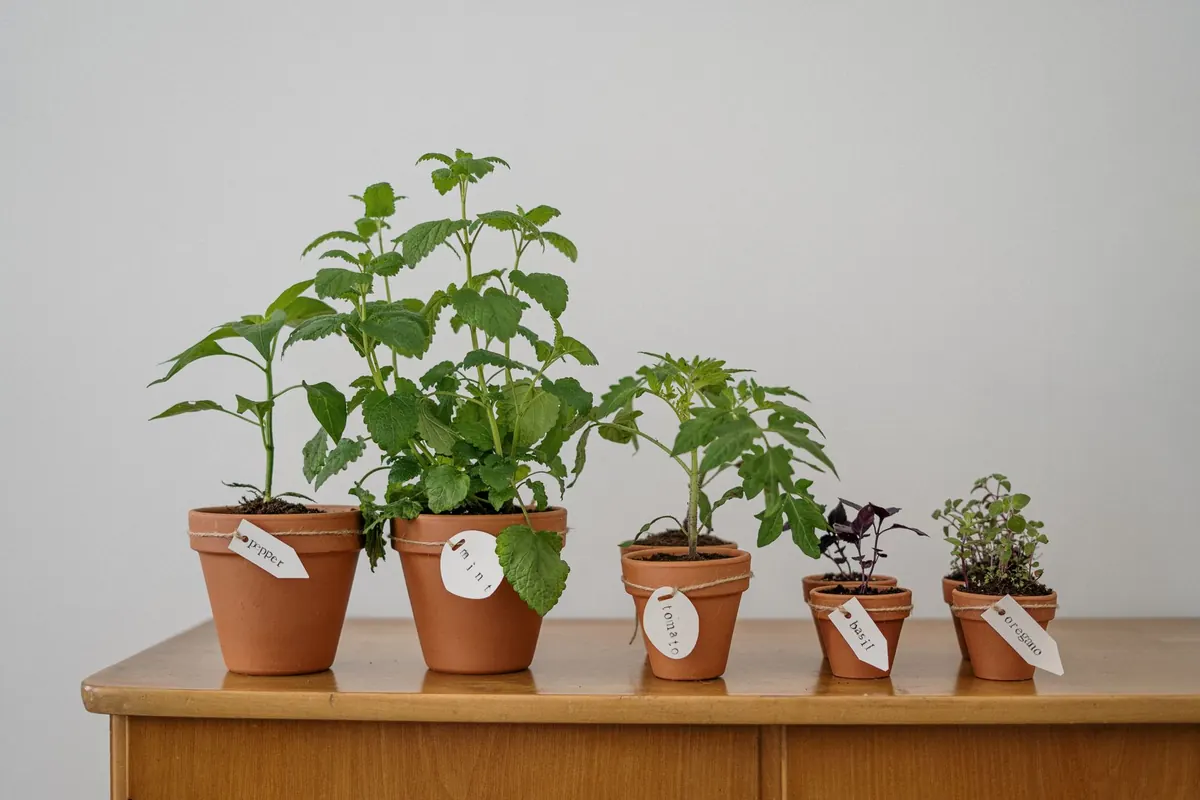
An unnamed plant is a gift with a question mark attached. Ask everyone bringing something to include, on a waterproof label or a pencil-written lolly stick:
- The common name, and the botanical name if they know it.
- The variety, if it has one — "unknown red" is fine, "beefsteak" is better.
- The date it was sown, taken or divided.
- Growing notes: height, sun or shade, colour, hardiness, whether it likes lime.
- Two or three words on care, such as "roots easily in water" or "needs a cold spell to germinate".
- Their initials, so people can find them later to ask questions.
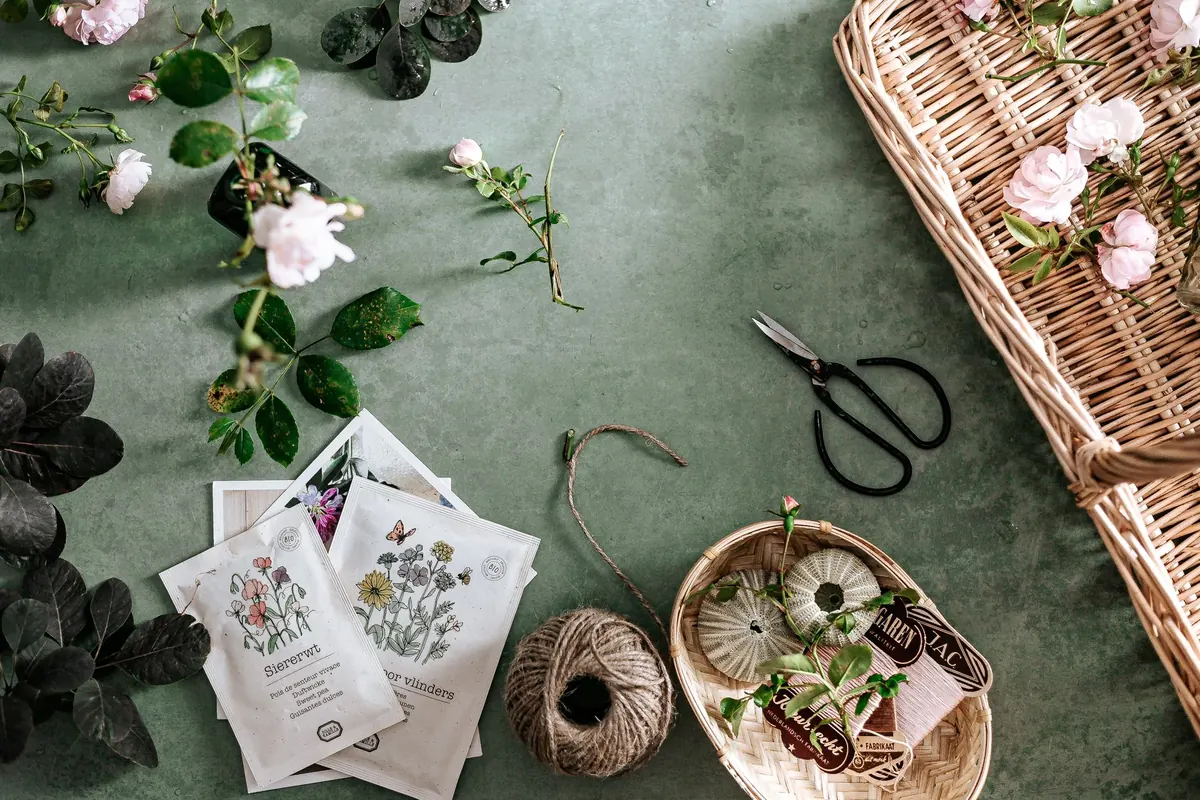
Seeds travel best in small paper envelopes rather than plastic bags, which trap damp. Write on the envelope, not on a scrap of paper tucked inside it. Bring a few spare labels and a pencil on the day — someone always forgets.
5. Running the day itself
Set up about forty-five minutes early and group the tables by type: vegetables, herbs, perennials, shrubs and cuttings, houseplants, seed. Put the seed table near the entrance, since it's the quickest thing to browse and the easiest for newcomers to contribute to.
Start with a short welcome. Explain how the swap works, run through the plant health rules once more, and point out tea, toilets and the sign-in sheet. Then go round the room and ask each person to say one sentence about what they brought. It takes ten minutes, it breaks the ice, and it means the quiet person with the unusual achillea gets asked about it rather than overlooked.
After that, let people browse. Keep a jug of water handy for anything that looks limp, and have a few spare trays or boxes so nothing has to be balanced on a knee on the way home.
6. The follow-up that saves you work next time
Within a couple of days, send everyone a short message: what was swapped, a few names and varieties people asked about, and a date for the next one. Photograph the tables while they're still full — those pictures do more for the next invitation than any amount of encouragement.
Deal with leftovers promptly. Schools, care homes, allotment associations and community gardens often welcome spare plants, and anything that isn't wanted should be composted properly rather than left in a corner of the venue car park. A shared group chat, a seed box in the village hall, or a small cuttings bed on the allotment all keep the swap alive between events.
Start small, then repeat
Six people in a garden with a folding table and a tin of biscuits is a real swap. You don't need a committee, a banner or a booking system. Pick a date, book the space, send the plant health rules and the labelling list with the invitation, and let the tea do the rest. Run it twice a year and it will start to look after itself — someone will offer their greenhouse next spring, and someone else will bring the labels.
Photo: juno1412 / Pixabay
You Might Also Like
A step-by-step guide to bringing outdoor plants inside before the first frost, cutting back on water and feed, and keeping tender species healthy through a UK winter.
A practical beginner's guide to growing food on balconies and small spaces, covering compact crops, suitable containers and compost, plus watering and feeding tips.