Yellow Leaves Explained: Overwatering, Underwatering or Something Else?
A plant rarely turns yellow overnight. It usually starts with one leaf low down, where you don't spot it for a week, and then another, until the whole thing looks washed out and tired. By the time most of us notice, we've missed the most useful part: the clue. Yellowing is a symptom, not a diagnosis. The cause could be a soggy root ball, a cold draught, a hungry plant in a pot it outgrew two summers ago, or simply a leaf that has done its job and is on the way out. Read the pattern first, and you'll save yourself a lot of guessing.
Read the Pattern Before You Do Anything
Where the yellow appears tells you more than the colour itself. Take a proper look — lift the pot, turn the leaves over, and check the soil before you decide anything.
- Older leaves at the bottom first: often a mobile nutrient problem, or stress at the roots. The plant is moving what it has to the new growth.
- New growth at the top first: usually a nutrient it can't relocate, or damage from light, heat or cold.
- Yellow between the veins, veins still green: classic magnesium or iron shortage, especially in pots.
- Uniformly pale, edge to edge: commonly nitrogen, or just not enough light.
- Patchy yellow with crisp brown edges: underwatering, scorch, or a build-up of salts in the compost.
One yellow leaf on a healthy plant is usually nothing. A steady trickle of them over a fortnight is a pattern worth chasing.
Overwatering: The Most Common Cause
If you had to bet on one cause, bet on this. Overwatering doesn't mean you poured too much in one go — it means the roots have been sitting in saturated compost for too long. Roots need air, and waterlogged compost squeezes it out.
The giveaway signs are specific. The lower leaves go yellow and may feel soft rather than dry. The plant droops even though the soil is damp. The compost stays wet for a week or more, and the surface might grow a little green algae or a fuzzy mould. Small black flies hovering around the pot are another hint. Push a finger in to the second knuckle: if it feels cold and claggy, that's your answer.
The fix is patience, not more water. Move the pot somewhere bright and airy, empty any water sitting in the saucer, and let the top few centimetres dry out properly. If the compost smells sour or the stems feel mushy at the base, take the plant out, trim away any brown, slimy roots with clean scissors, and repot into fresh compost with a handful of grit or perlite mixed through. A pot with drainage holes is not optional.
How to tell it apart from underwatering
Both make a plant droop, which is why so many people water a drowning plant and finish it off. Underwatered leaves go crisp and curl at the edges, and the whole plant feels light when you lift it. Overwatered leaves go limp and yellow without crisping, and the pot feels heavy. That single test — lift the pot — settles it more often than anything else.
Underwatering: Less Obvious Than You'd Think
Underwatering is common in hanging baskets, terracotta pots, and anything sitting near a radiator or under a hot windowsill. The compost shrinks away from the sides of the pot, and when you water, it runs straight down the gap and out of the bottom without ever reaching the roots.
If that's happening, don't just pour more on top. Stand the pot in a bowl of water for twenty minutes and let it drink from below, then let it drain fully. Repeat weekly through summer. A layer of mulch or gravel on the surface slows evaporation and buys you a day or two between waterings.
Nutrient Shortages and What They Look Like
Potted plants exhaust their compost. After a season or two of growth, there simply isn't much left in there, and yellowing is how the plant tells you.
Nitrogen
Older leaves yellow first and the whole plant looks pale and slow. A balanced liquid feed through the growing season usually sorts it within a couple of weeks. Don't overdo it — too much feed burns roots and causes the same symptom you were trying to fix.
Magnesium and iron
Magnesium shows as yellowing between the veins of older leaves, often on tomatoes, roses and potted shrubs. Iron shows the same interveinal pattern but on the newest leaves, and it's more common in alkaline or limey compost. A specialist feed for the plant in question, or repotting into fresh compost, is usually more effective than guessing with a general fertiliser. If your tap water is hard, filtered or rainwater is kinder over time.
Light, Temperature and Shock
Not every yellow leaf is about water or food. A plant moved from a dim hallway to a bright south-facing windowsill can scorch, and the damaged leaves will yellow and crisp within days. Move it gradually over a week or two instead.
Cold is just as brutal. A plant sitting in a draught from a back door, or pressed against a window on a frosty night, will yellow and drop leaves as a stress response. Equally, a radiator directly below a pot dries the compost from below and cooks the roots. A foot or two of distance makes a real difference.
Pests, Diseases and Root Trouble
Turn the leaves over and look closely. Fine webbing and speckled yellow stippling suggest spider mites. Sticky residue and clusters of small insects on new shoots mean aphids. Both weaken a plant steadily, and both are easier to deal with early — a firm spray with water and repeated checking does a lot before you need anything stronger.
Yellowing that spreads in blotches, wilts despite damp compost, or comes with brown sunken patches on the stems is more serious and may point to root rot or a virus. Affected plants are often best removed to protect everything else in the greenhouse or border.
A Five-Minute Diagnostic Routine
- Lift the pot. Heavy means too wet, light means too dry.
- Push a finger into the compost to the second knuckle. Feel, don't guess.
- Note which leaves are yellowing: old, new, or everywhere.
- Check drainage holes and empty the saucer.
- Look under the leaves for pests and along the stems for soft patches.
- Think back: have you moved it, repotted it, or changed your watering recently?
- Change one thing at a time, and give it two weeks before changing anything else.
Getting Your Plant Back on Track
Once you've worked out the likely cause, resist the urge to do everything at once. Strip off the yellow leaves — they won't turn green again and they only hide new growth. Then adjust one variable: water less, water more, move it, or give it a feed. Keep a rough note of what you did and when, because a fortnight from now you'll want to know whether it's working.
New growth is the signal you're waiting for. If fresh leaves come through green and steady, you've found the problem. If nothing changes after a few weeks of consistent care, revisit the list — the second cause is often the real one, and a plant that's been overwatered for months can take a while to forgive you.
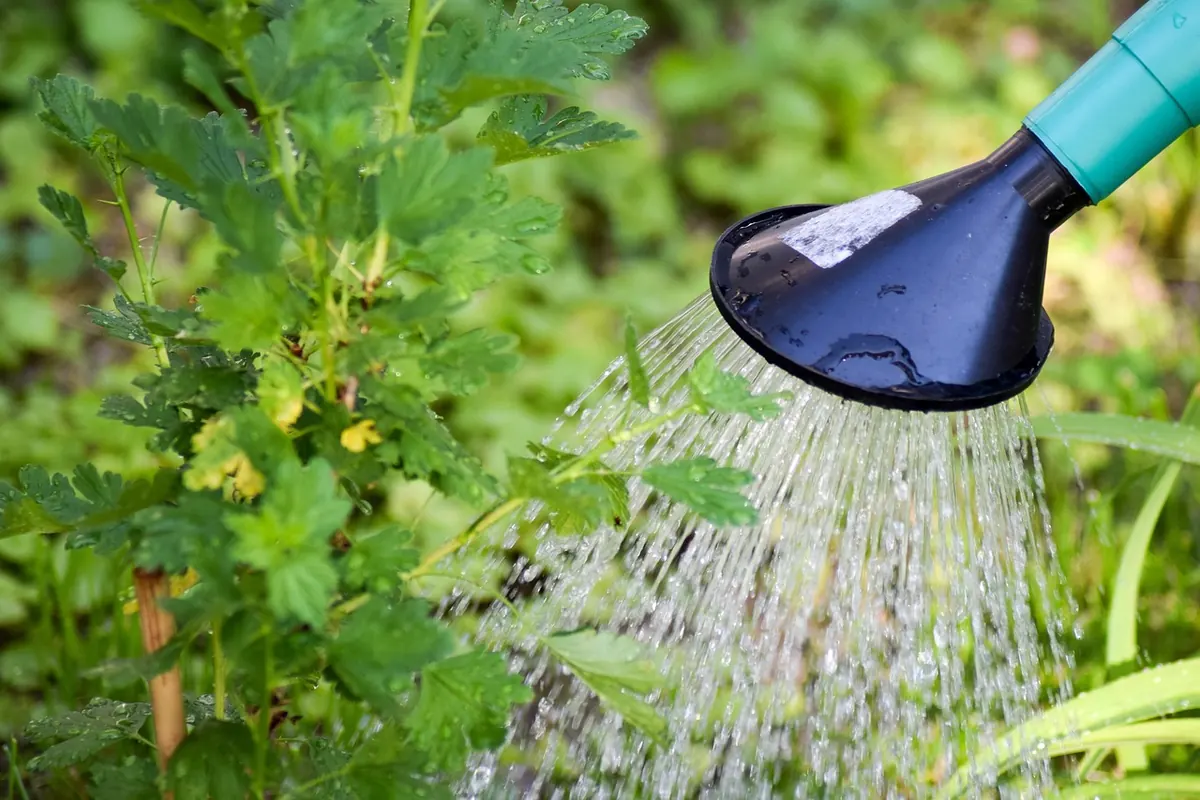
Photo: ThorstenF / Pixabay
You Might Also Like
A practical checklist for organising a neighbourhood cutting and seed swap, covering format, venue, plant health rules, labelling, how to run the day, and the follow-up that keeps people coming back.
A step-by-step guide to bringing outdoor plants inside before the first frost, cutting back on water and feed, and keeping tender species healthy through a UK winter.