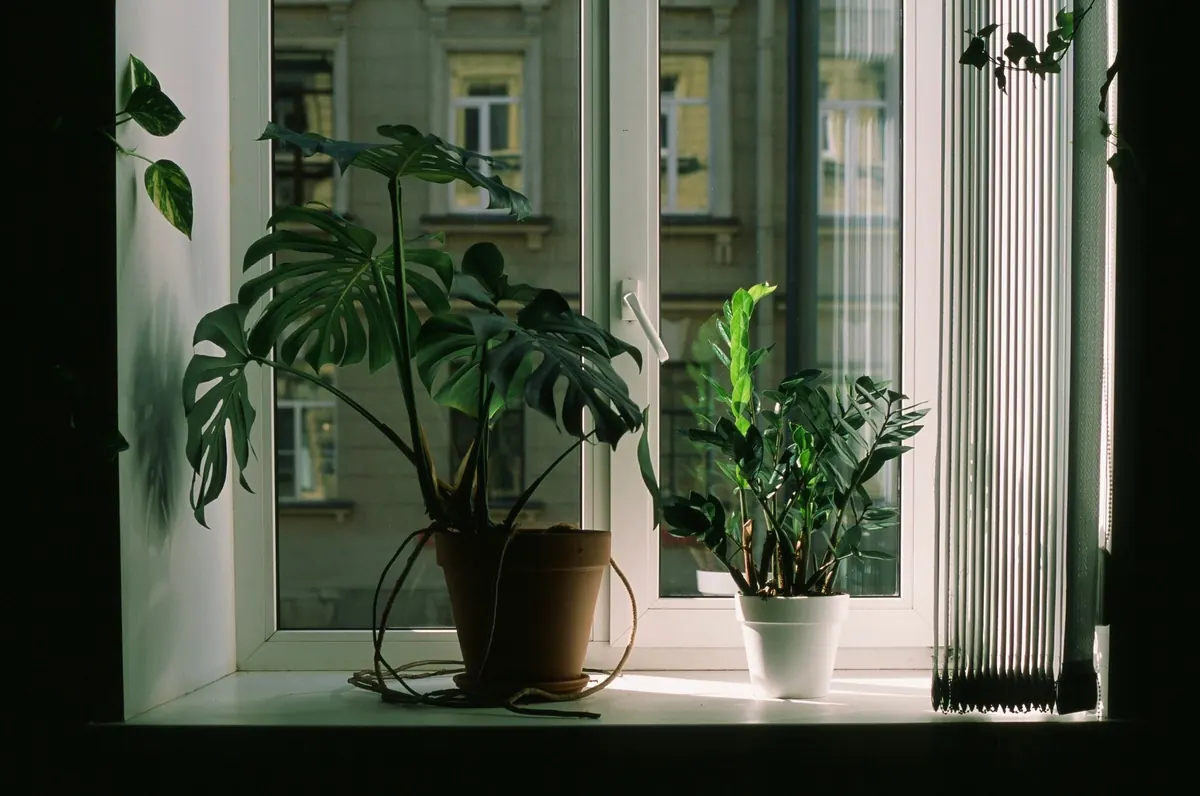
Best Low-Light Houseplants for North-Facing UK Flats
A north-facing flat is not the plant desert people make it out to be. You will never grow a jade plant into a chunky little tree on that windowsill, and a supermarket succulent will stretch itself pale and thin within a month. But plenty of houseplants evolved on forest floors, in the shade of something far bigger, and they will rub along quite happily in a room that never sees direct sun. The trick is picking the right species, then resisting the urge to water them as though they were sitting in a greenhouse.
What "low light" actually means in a UK flat
A north-facing window gives you soft, indirect light all day and no direct sun at any point in the year. That is genuinely enough for a good range of foliage plants. What it will not do is support flowering, variegation at its brightest, or anything that expects six hours of strong sun.
Distance from the glass matters more than which way the window faces. Light drops off sharply as you move into the room, so a spot two metres back from a north window is far dimmer than the sill itself. In a typical flat, the genuinely difficult places are internal hallways, bathrooms without windows, and corners more than three metres from any glass. British winters add a second problem: from November to February you are working with short days and a sun that barely clears the rooftops, so growth slows to almost nothing and the compost stays wet for weeks. Plan for that.
The tough performers
These are the plants I would hand to someone with one north window and a tendency to forget the watering can.
Snake plant (Dracaena trifasciata)
Still sold as Sansevieria in most garden centres, and still the most forgiving plant on this list. It copes with dim corners, dry air and months of neglect. Sharp drainage is essential: a gritty mix in a terracotta pot suits it well. Water thoroughly, let it drain, then leave it alone until the compost is dry right through — roughly every three to four weeks in winter. Cold and wet together will rot the base faster than anything else.
ZZ plant (Zamioculcas zamiifolia)
Thick, waxy leaves on stems that rise from underground rhizomes which store water. A ZZ plant will sit in a hallway with no window nearby and simply stop growing rather than die. Water when the pot feels light and the compost is dry, perhaps once a month through winter. New growth emerges pale green and soft before darkening — that is normal, not a sign of poor light.
Devil's ivy (Epipremnum aureum)
Also called golden pothos. A trailing plant that looks good on a shelf or trained up a moss pole. Water when the top two or three centimetres of compost are dry. In deep shade the yellow variegation fades to plain green; if you want the markings, keep it as close to the window as you can. Pinch out leggy stems to keep it full, and root the cuttings in a glass of water.
Heartleaf philodendron (Philodendron hederaceum)
Similar in habit to devil's ivy but with finer, softer leaves and a slightly looser, more elegant trail. Treat it the same way and it will grow steadily, if slowly, through the darker half of the year. It dislikes soggy roots, so err on the dry side.
Cast iron plant (Aspidistra elatior)
A Victorian favourite for good reason: it shrugs off shade, draughts, cold and irregular watering. The trade-off is pace. Expect one or two new leaves a year. Buy the largest pot you can reasonably fit, because it will not fill out quickly.
Chinese evergreen (Aglaonema)
Patterned leaves that brighten a dim corner, and reasonable tolerance of shade. The catch is temperature: it sulks below about 15°C, so it is a poor choice for a single-glazed bay window in January. Keep it in the warmest room that still gets decent indirect light.
What will struggle
Save yourself the disappointment. These want more light than a north window can give, and they will tell you so by stretching, dropping leaves or rotting:
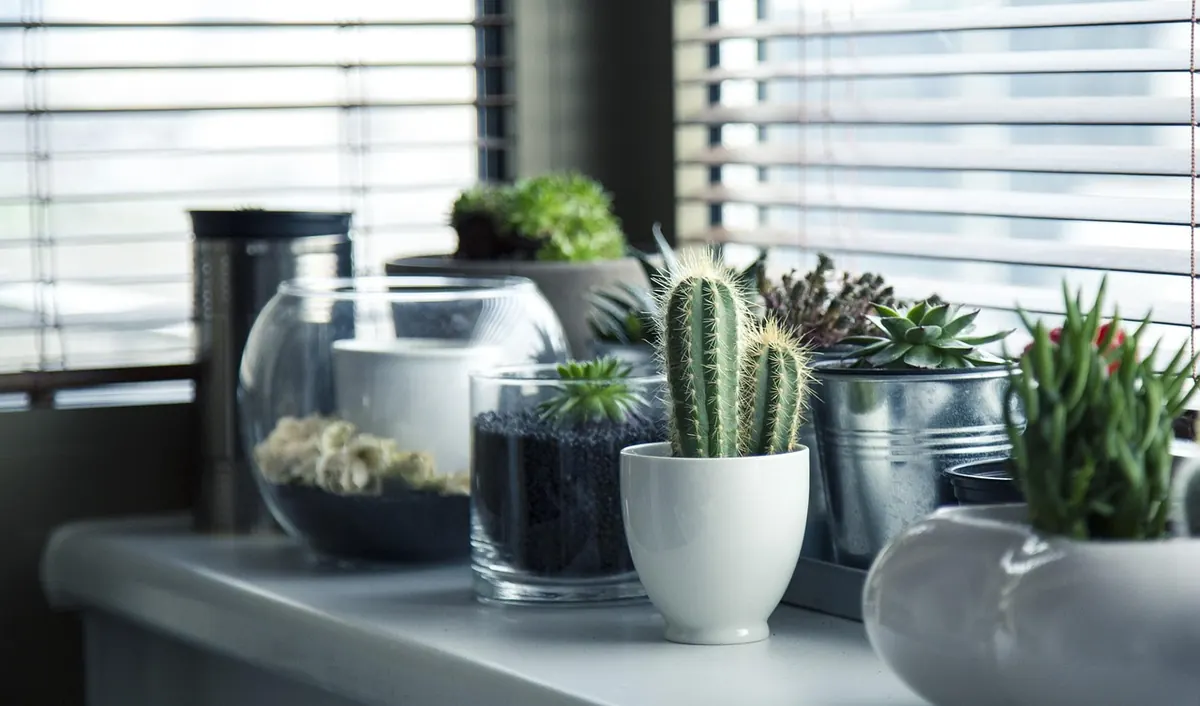
- Echeveria, haworthia and most other succulents
- Cacti of every kind
- Jade plant and other crassulas
- Citrus, including calamondin
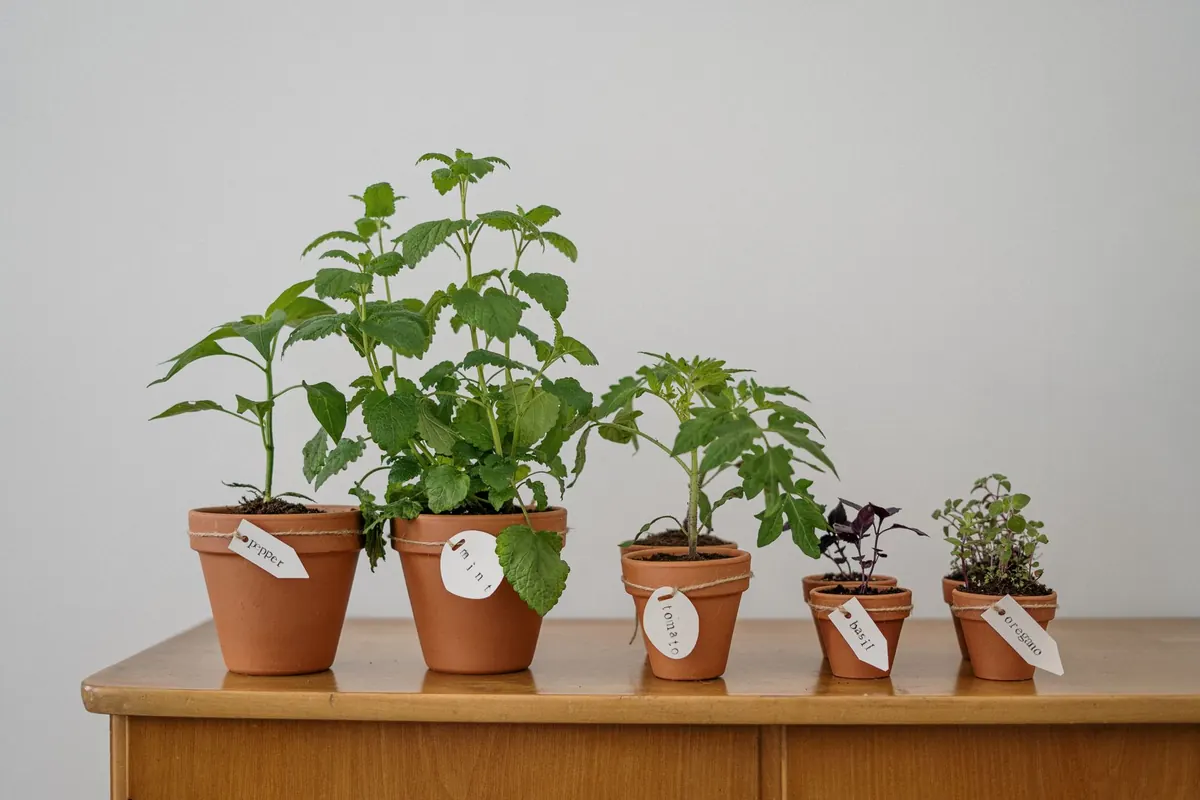
- Kitchen herbs such as basil, rosemary and thyme
- Flowering shrubs like hibiscus, and anything labelled "bright, indirect light"
Ferns are a middle case. A north window suits them well, but they want humidity, so a bathroom with a small window is ideal and a dry living room is not.
Watering matters more than light
More houseplants die of overwatering than of shade. Less light means slower growth, which means the plant uses less water, which means the compost stays damp for longer. In a dim room, the usual weekly watering habit is a slow execution.
Check before you pour. Push a finger into the compost, or lift the pot and judge its weight. Water thoroughly until it runs out of the drainage holes, then tip away anything left in the saucer. Never let a pot stand in water. A gritty, free-draining mix and an unglazed terracotta pot give you a much bigger margin for error. Yellowing lower leaves, soft dark stems and a cloud of fungus gnats all point to compost that has been wet too long; crisp brown edges and drooping suggest you have gone too far the other way.
Small changes that add usable light
You cannot move the window, but you can make the most of it. Clean the glass inside and out. Paint or paper the walls a light colour, which bounces light back onto the leaves. A mirror opposite the window helps more than it sounds. Group plants together within a metre of the glass rather than scattering them into the room, and rotate each pot a quarter turn every few weeks so growth stays even.
For genuinely dark corners — an internal bathroom, a basement flat, a windowless hall — a small LED grow bulb on a clip fitting, run for six to eight hours a day, will keep a shade-tolerant plant going. It does not need to be expensive or purple; a white daylight bulb at a sensible distance is fine.
A winter checklist for dim rooms
- Move plants off cold windowsills overnight, or stand pots on a wooden block or mat so they are not sitting on freezing glass.
- Stop feeding from around November to February unless the plant is actively growing under a light.
- Cut watering right back, and check the compost rather than the calendar.
- Keep foliage clear of radiators and draughty doors, both of which dry leaves out.
- Wipe leaves with a damp cloth — dust blocks the little light there is.
- Look under leaves and along stems for pests. A stressed plant is a magnet for them.
Start with two, not ten
Pick a snake plant and a ZZ plant, or a devil's ivy and an aspidistra, and give them a full year before you judge them. Watch how long the compost takes to dry in your flat, in your winter, with your heating. Once you know that rhythm, adding a third plant is easy. Buy from a shop where the plants are kept in good light, too — a specimen that has already spent months in a dark supermarket aisle is working from a disadvantage you cannot fix.
Photo: Elena Golovchenko / Pexels

You Might Also Like
A practical checklist for organising a neighbourhood cutting and seed swap, covering format, venue, plant health rules, labelling, how to run the day, and the follow-up that keeps people coming back.
A step-by-step guide to bringing outdoor plants inside before the first frost, cutting back on water and feed, and keeping tender species healthy through a UK winter.